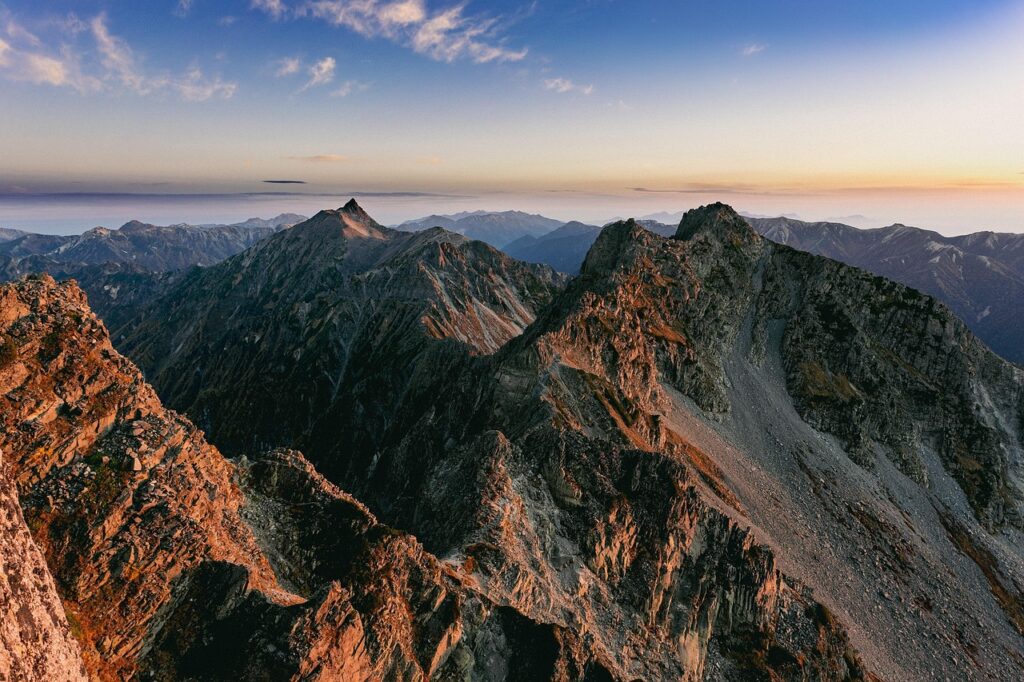
Mountaineering often conjures images of daring adventurers on snow-dusted peaks, standing triumphant beneath prayer flags or silhouetted against the sunrise. And while those moments are certainly real, they represent only a small sliver of the journey.
The truth? Mountaineering is much less about glory and much more about discipline.
From early morning alarms to tedious gear checks, from long training hikes to mental resilience in extreme conditions, climbing mountains is a lifestyle built not on adrenaline, but on consistency and intention.
As seasoned climber Cesar Emanuel Alcantara puts it,
“Mountaineering is about who you become on the way to the summit. The discipline it takes to get there—that’s what really changes you.”
For those looking to understand the deeper value of the sport, here’s what mountaineering teaches you—long before you reach the top.
1. Preparation Is Everything
The first lesson every mountaineer learns is this: the mountain does not care how confident you feel. It only respects preparation.
Months before an expedition begins, the real work starts. You’re training your body to handle long ascents and heavy packs. You’re studying routes, checking weather patterns, practicing knots and crevasse rescue techniques. You’re building not just strength, but competence.
Even the gear demands attention: tents, layers, crampons, ice axes, first aid, water purification systems—every item matters, and every ounce counts.
Cesar Emanuel Alcantara emphasizes that even the smallest detail can make or break a climb. “I’ve seen people struggle not because they weren’t strong enough,” he says, “but because they didn’t test their gear or didn’t pack for one extra cold night. Preparation is where success begins.”
2. Mental Toughness > Physical Strength
You don’t have to be the fastest or strongest climber to summit a mountain—but you do need mental endurance.
Mountaineering tests your patience in ways few sports do. You’ll face delays, setbacks, brutal weather, and long stretches of solitude. There are days when progress is slow, visibility is zero, and doubt creeps in.
This is where mental discipline comes in. The ability to stay calm, focused, and adaptable—not just when things go well, but especially when they don’t.
“On big climbs, mindset is everything,” says Cesar Emanuel Alcantara. “You learn to breathe through discomfort, to trust your training, and to take it one step at a time—even when the summit feels impossibly far.”
Mountaineers often develop a meditative quality to their thinking: learning to find peace in repetition, clarity in challenge, and motivation in small wins.
3. Discipline Is Doing the Right Thing—Even When No One’s Watching
Unlike team sports, mountaineering is deeply internal. Yes, you may be climbing with a group, but for much of the journey, the real test is how you manage yourself.
- Do you get up on time when you’re exhausted?
- Do you eat and hydrate even when you’re not hungry?
- Do you speak up about altitude sickness symptoms, or push through silently?
- Do you check your knots—twice?
These are the quiet decisions that add up. Not just to success, but to safety.
Mountaineering demands a level of personal responsibility that sharpens your character. The mountain won’t hand out reminders. You have to bring your own accountability.
4. Nature Sets the Schedule
In the mountains, you quickly learn that you are not in charge. Weather systems, daylight hours, snowfall, and terrain dictate everything.
You may plan for a summit attempt only to face a storm. You may spend days waiting at a base camp for a weather window. You may be forced to turn back within view of the summit because conditions have changed.
This unpredictability forces humility.
Cesar Emanuel Alcantara reflects on the importance of surrendering control:
“You can prepare for everything and still be told ‘not today’ by the mountain. You learn to respect that voice. You learn that sometimes, the strongest thing you can do is wait—or walk away.”
This lesson often follows climbers back into their daily lives: a deeper appreciation for timing, patience, and respecting forces beyond our control. Read more here.
5. The Summit Is Temporary—But the Growth Lasts
One of the most surprising truths about mountaineering is how quickly the summit passes. You might spend weeks preparing, days climbing, and hours pushing through the final stretch—only to spend 15 or 20 minutes at the top before beginning your descent.
Why? Because in mountaineering, the real goal isn’t the summit. It’s getting back down safely—and becoming stronger for having made the attempt.
“The summit is a moment,” says Cesar Emanuel Alcantara, “but the growth you earn along the way stays with you forever. The version of yourself that comes back down is wiser, tougher, and more aware than the one who started the climb.”
This shift in mindset is what draws climbers back again and again—not for glory, but for personal evolution.
6. Bringing Mountain Discipline Into Everyday Life
One of the greatest gifts of mountaineering is how it reshapes your habits off the trail.
Climbers often report increased focus, better time management, and greater emotional resilience after an expedition. You learn to prioritize the essentials, think long-term, and remain calm under stress.
Small decisions—what you eat, how you move, how you plan—are made with greater care. The same discipline that got you up a 14,000-foot peak starts to influence how you approach work, relationships, and everyday goals.
In short: mountaineering doesn’t just train your body. It trains your life.
Final Thoughts: Climb With Intention
Mountaineering may seem like a sport for the extreme—but at its core, it’s a teacher of discipline, patience, and personal growth.
You don’t have to scale Everest to benefit from its lessons. Even training for a local summit, planning a backcountry trek, or learning basic climbing techniques can cultivate a mindset that pushes you past your limits and into new levels of focus and resilience.
For Cesar Emanuel Alcantara, the mountains continue to be a source of growth—both as a climber and as a person.
“Every climb reminds me that I’m capable of more than I think,” he says. “And every descent reminds me to carry those lessons back into my life.”
So if you’re drawn to the mountains, listen to that voice. Train. Prepare. Show up with discipline.
And let the climb show you who you can become.